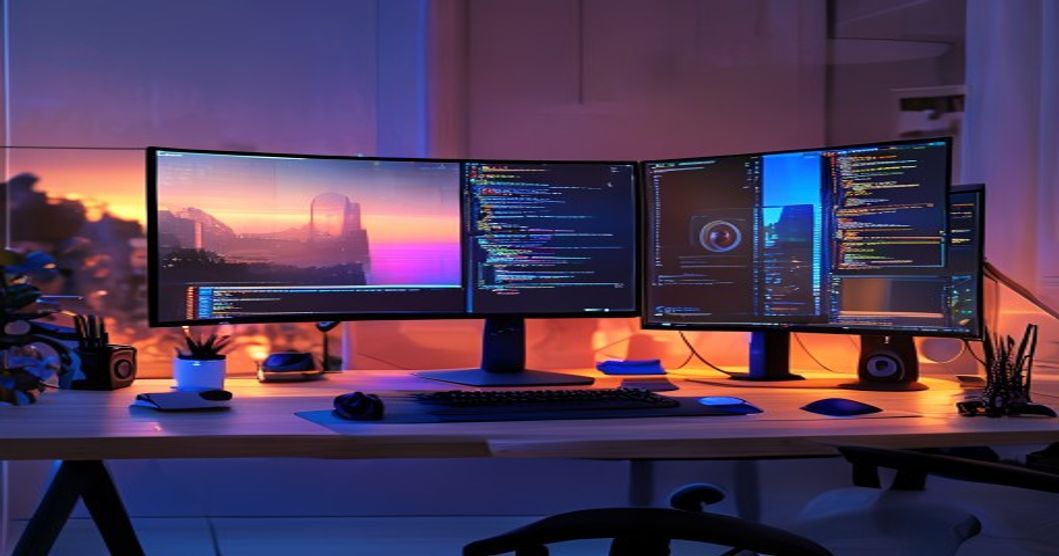
The Shift Beneath Our Feet
I remember sitting in a coffee shop back in 2012, hacking away at a stubborn CSS float issue that refused to behave on Internet Explorer. The process was grueling, iterative, and deeply manual. Back then, ‘Web Development’ felt like being a carpenter; you had to measure twice and cut once, or the entire structure of your site would collapse into a heap of broken divs. Today, the landscape feels less like carpentry and more like architecture—or perhaps, urban planning.
Technology has moved at a breakneck pace, and for those of us in the trenches, it can feel like trying to change the tires on a car while driving down the highway at eighty miles per hour. But here is the secret that the hype cycles don’t tell you: the core of web development hasn’t changed. It was always about solving problems for human beings. The tools have simply become faster, smarter, and significantly more opinionated.
The AI Renaissance: Partner, Not Replacement
The conversation around Artificial Intelligence in tech usually falls into two camps: the ‘Sky is Falling’ crowd and the ‘AI will write everything for me’ dreamers. Both are missing the point. AI isn’t here to replace the web developer; it’s here to act as an incredibly fast, highly caffeinated junior developer who never sleeps but occasionally hallucinates.
When I started integrating AI assistants into my daily workflow, I expected a massive boost in raw output. What I got instead was a change in *thought process*. I stopped worrying about the syntax of a complex regex pattern and started focusing on the system architecture. We are currently witnessing a transition from writing code to curating code. The human element—the ability to understand intent, business logic, and the nuanced ‘why’ behind a feature—remains the most valuable currency in the industry.
Redefining the Developer Workflow
Consider the difference between traditional development and the AI-augmented era:
| Aspect | Traditional Workflow | Modern AI-Augmented Workflow |
|---|---|---|
| Problem Solving | Stack Overflow & Documentation | Contextual AI Prompting |
| Debugging | Print statements & Manual tracking | Predictive analytics & AI agents |
| Code Quality | Manual peer reviews | Automated linting & AI-driven refactoring |
The Human-Centric Web
With the barrier to entry for building ‘stuff’ on the web dropping rapidly, the market is becoming flooded with generic digital experiences. This is actually a massive opportunity for developers who care about craft. When anyone can generate a landing page in seconds, the only way to differentiate is through empathy.
I’ve seen dozens of startups fail not because their code was buggy, but because they built a perfectly functional solution for a problem that nobody actually had. Technical skills—Mastery of React, proficiency in backend scaling, or deep knowledge of Web Development—are the tools of your trade. But your ability to connect with the user’s pain points is your strategic advantage. Don’t be the developer who builds faster; be the developer who builds the right thing.
Staying Relevant in a Rapidly Evolving World
I get asked all the time: ‘Is coding dead?’ My answer is always the same: If you view coding as a rote memorization task—a series of syntax tricks you hoard like a dragon’s gold—then yes, the ground is shifting beneath you. But if you view coding as a medium for creative expression and logic, you are living in the golden age of creation.
My advice for the next five years? Don’t chase every single framework that pops up on Twitter. Instead, double down on the fundamentals. Understand how data moves. Understand how browsers render. Understand how users actually interact with interfaces. When the next major leap in technology happens—be it AR, Web3, or something entirely new—the fundamental principles of good engineering will remain your bedrock.
Final Thoughts: The Craft Endures
There is a specific kind of satisfaction that comes from pushing a deploy button after a long project. It’s a feeling that hasn’t changed since the 90s, and I doubt it will change in the next thirty years. Technology changes the medium, but the developer provides the spark. Keep learning, stay curious, and remember that behind every line of code, there is a person on the other side of the screen waiting for a better experience. That is, and always will be, the heart of our work.
Reference: Learn more here